Solid Wood Dining Tables: Oak, Walnut and Ash Compared
A dining table is where a home gathers. Here is how three classic hardwoods differ in look, strength and care.
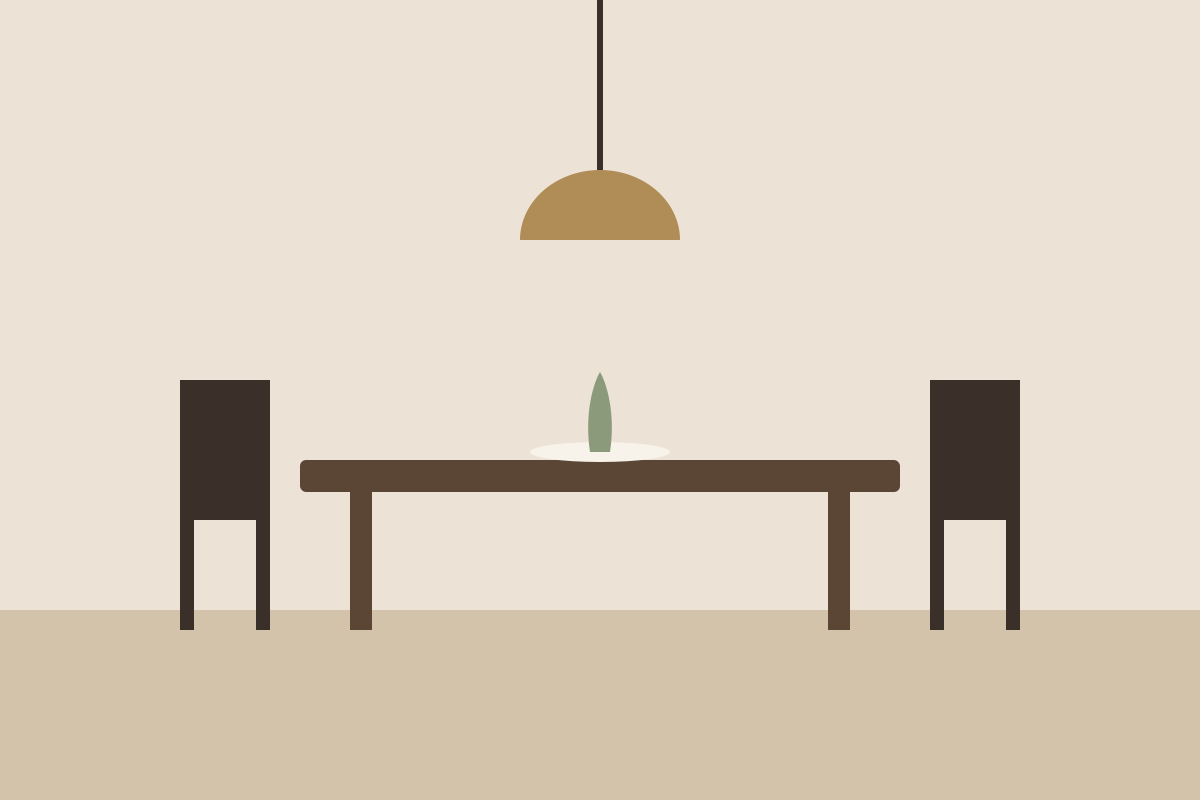
A solid wood dining table can last for generations, and it often becomes the centre of daily life. Oak, walnut and ash are three of the most popular choices, each with a distinct character.
Oak
Oak is strong, heavy and durable, with a pronounced grain. It ranges from pale golden tones to deeper browns and takes a wide variety of finishes. It is a reliable choice for a busy family table because it handles knocks and wear well.
Walnut
Walnut is prized for its rich chocolate colour and smooth, flowing grain. It is slightly softer than oak but still hardwearing. Over time it lightens slightly in daylight. It is more expensive, but its depth of colour makes it a favourite for formal or elegant interiors.
Ash
Ash has a pale colour and a bold, straight grain. It is tough and slightly flexible, which suits both modern and Scandinavian-inspired designs. It looks bright and light and works particularly well in smaller rooms.
Construction details worth checking
Solid tops are usually made from several boards glued edge to edge. Look for well-matched grain and tight, even joins along the top. Check how the top is attached to the base: good tables use fittings that let the wood expand and contract across its width, whereas screws that hold it rigidly can lead to cracks over time. Mortise-and-tenon or bolted joints between legs and rails are signs of sound construction. Ask whether the table is solid throughout or veneered over a core; both can be good, but they age and repair differently.
Finishes matter
- Oil finishes feel natural and can be spot-repaired, but need periodic re-oiling.
- Hardwax oil offers a good balance of protection and natural feel.
- Lacquer is the most resistant to spills but is harder to repair.
Refreshing an oiled finish
- Clean the surface with a damp cloth and a little mild soap, then let it dry completely.
- Apply a thin coat of the oil recommended by the maker, working along the grain.
- After the time stated on the product, wipe off any excess so the surface does not turn sticky.
- Let it cure before use, and repeat when the wood starts to look dry or water no longer beads on it.
Rags soaked in oil can heat up and catch fire on their own, so lay them flat outdoors to dry or dispose of them as the product label advises.
Everyday care
Use mats under hot dishes, wipe spills promptly and avoid placing the table directly next to a radiator. Wood moves slightly with humidity, so small seasonal changes are normal.
Common mistakes
- Choosing a table whose legs block chairs at the corners or ends.
- Forgetting to check the height between the underside of the table rail and the seats of the chairs.
- Using silicone-based polish sprays, which can make later repairs and refinishing harder.
- Leaving a cloth or objects in exactly the same place for months, so the wood around them changes colour unevenly in daylight.
Size and shape
Allow around 60 centimetres of table width per person and at least 90 centimetres of clearance between the table edge and any wall. Round tables encourage conversation, while rectangular tables suit longer rooms.